


From early settlements and mountain farms to historic villages and treasured artifacts, the story of Page County lives on.
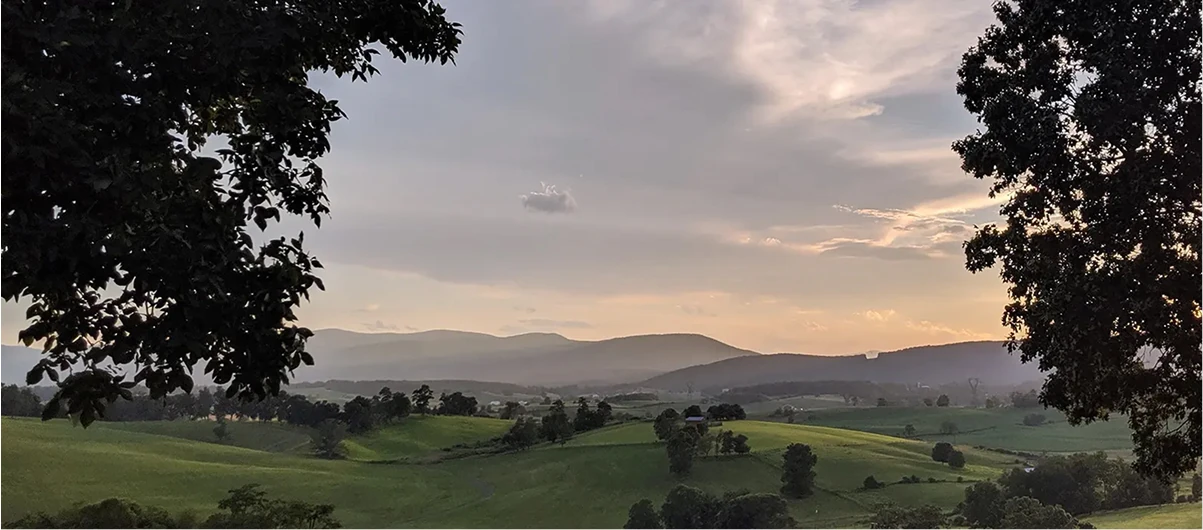
The history of Page County, Virginia, is never very far away. Between the Blue Ridge and Massanutten Mountains, it can be found in weathered stone walls, century-old farmhouses, historic churches, and the small towns that have welcomed generations of families and travelers. Here, the past isn’t simply preserved in museums and history books. It remains part of the landscape itself.
How did Page County, Virginia, begin?
Page County was formed in 1831, but the valley’s story began thousands of years earlier with the Indigenous peoples who lived in and traveled through the Shenandoah Valley.
Beginning in the early 18th century, European settlers, many of German heritage, established farms and small communities along the fertile valley floor. They brought traditions of craftsmanship, agriculture, and architecture that helped shape the region’s distinctive character.
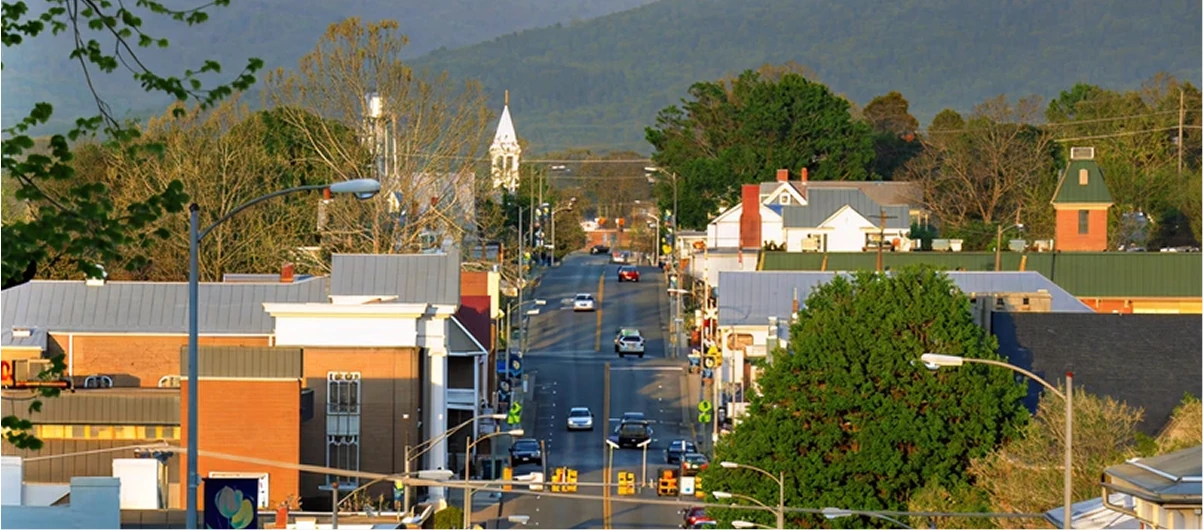
Page County was officially established in 1831, formed from portions of Shenandoah and Rockingham counties and named in honor of former Virginia Governor John Page. Luray, founded in 1812, became the county seat, growing into a center of commerce and community life.
Throughout the 19th century, farms, gristmills, iron furnaces, and small businesses supported the valley’s growing population. The Shenandoah River provided a vital connection to the surrounding countryside, while the mountains supplied timber, minerals, and other natural resources. The arrival of the railroad in 1881 opened new opportunities for commerce and travel, helping shape the communities of Luray, Stanley, and Shenandoah.
Page County History: Key Dates
- 1720s: German and Swiss settlers establish the Massanutten settlement in the valley.
- 1812: Luray is established by the Virginia General Assembly.
- 1831: Page County is formed and named for Virginia Governor John Page.
- 1834: The Page County Courthouse is completed in Luray.
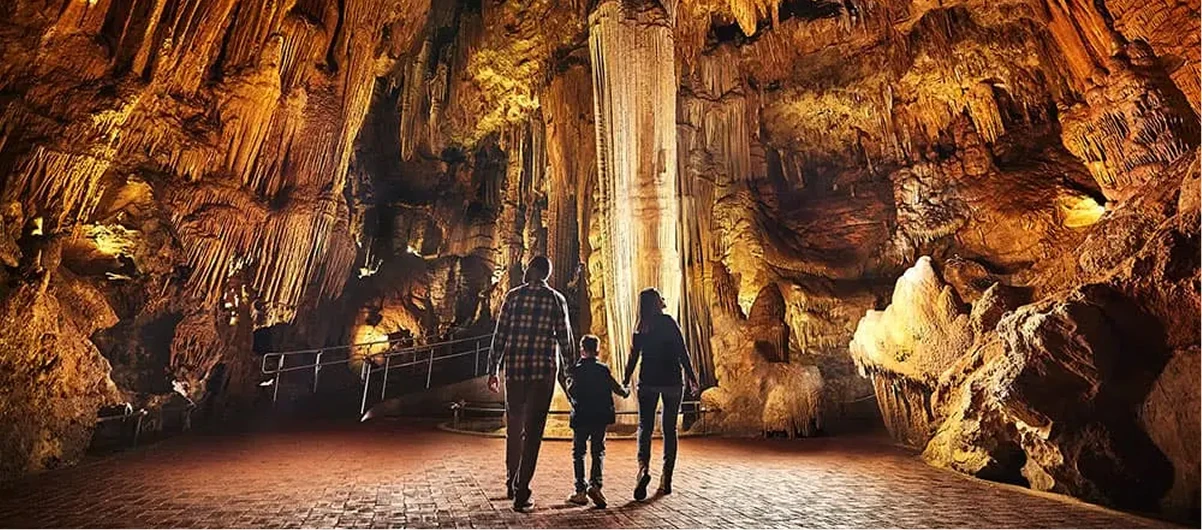
- 1878: Luray Caverns is discovered.
- 1881: The Shenandoah Valley Railroad arrives in the Page Valley.
- 1935: Shenandoah National Park is established.
- 1939: Skyline Drive is completed.
- 2009: Page County is named the Cabin Capital of Virginia.
Where can you experience Page County history today?
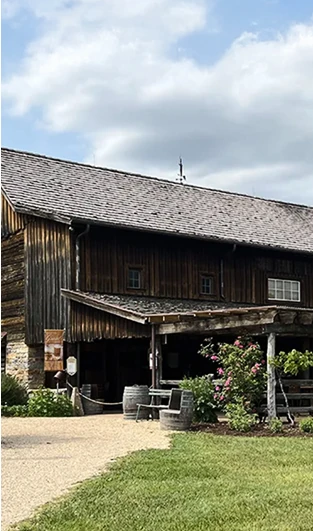
Shenandoah Heritage Village at Luray Caverns is one of the best places to see it, with restored historic buildings and regional artifacts spread across seven acres.
The village recreates a small 19th-century Shenandoah Valley farming community. Historic homes, a one-room schoolhouse, a meeting house, and other structures offer a fascinating glimpse into everyday life generations ago. Among the highlights is the Elk Run Meeting House, dating to 1846, where signatures left by both Union and Confederate soldiers can still be seen on the interior walls.
The Hamburg Regular School, one of the oldest surviving African American one-room schoolhouses in Virginia, offers another important window into the region’s educational history. Nearby, the Bell House, a carefully restored log farmhouse originally located near Luray, recalls the lives of the families who worked the valley’s fertile land.
At the heart of the complex, the Luray Valley Museum brings together an extraordinary collection of regional artifacts, tracing the story of the Shenandoah Valley from its earliest inhabitants through the early 20th century. Together, the museum and historic village preserve the craftsmanship, traditions, and everyday experiences that helped shape the communities we know today.
Why is winter a great time to explore Page County history?
With the trees bare and the landscape quiet, historic buildings and winding country roads seem to reveal a little more of their stories. Winter provides a particularly lovely opportunity to appreciate this heritage.
It’s a season that invites us to look beyond the scenery and consider the generations of people who called this valley home. Nearly two centuries after Page County’s founding, the valley continues to grow and change. Yet much of its character remains rooted in the traditions, resilience, and sense of community that have defined it for generations.
The mountains may frame the landscape, but it’s the stories of the people who lived between them that give Page County its heart.
Discover More: Step back in time and explore the historic buildings, fascinating collections, and regional heritage preserved at Shenandoah Heritage Village.
Frequently Asked Questions
When was Page County, Virginia, founded?
Page County was formed in 1831 from parts of Shenandoah and Rockingham counties.
Who is Page County named after?
John Page, who served as governor of Virginia from 1802 to 1805.
When was Luray, Virginia, founded?
Luray was established in 1812 and later became the county seat of Page County.
What is Shenandoah Heritage Village?
A seven-acre recreation of a 19th-century Shenandoah Valley farming community at Luray Caverns, with historic buildings and the Luray Valley Museum.
Is Shenandoah Heritage Village included with Luray Caverns admission?
Yes. Admission to Luray Caverns includes Shenandoah Heritage Village.