




When the leaves fall, the mountains reveal their secrets.
Shenandoah National Park in winter is one of the park’s most beautiful and often overlooked seasons. As autumn’s brilliant colors fade and the leaves settle to the forest floor, the Blue Ridge Mountains reveal sweeping vistas, quiet woodlands, and a landscape transformed by the changing season.
Why visit Shenandoah National Park in winter?
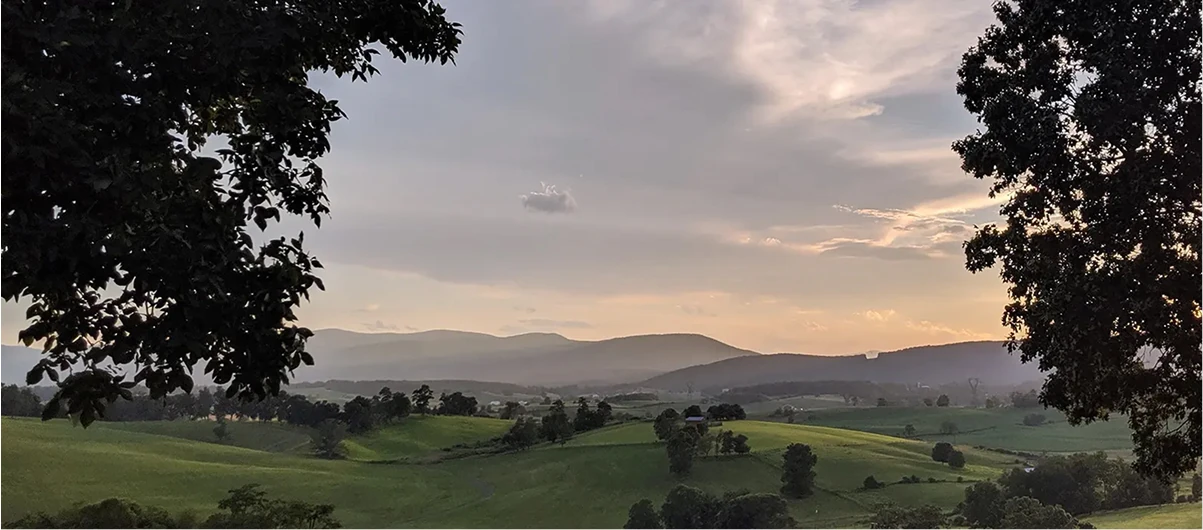
Winter brings longer views and far fewer crowds. With the trees bare, ridgelines and valleys that stay hidden behind leaves most of the year come into full view.
Mountain ridges stretch toward the horizon, winding valleys come into focus, and the crisp winter air often provides exceptional visibility. Along Skyline Drive, familiar overlooks offer fresh perspectives on the surrounding Shenandoah Valley and Piedmont countryside.
Winter also brings a welcome sense of solitude. The bustling crowds of summer and fall give way to peaceful trails and quiet overlooks.
What can you do in Shenandoah National Park in winter?
Scenic drives, winter hikes, wildlife watching, and photography are all at their best in the quieter season.
Wildlife continues its daily routines, and visitors may spot white-tailed deer foraging in open meadows, squirrels gathering food, or birds moving through the leafless branches. For photographers and nature lovers, the softer winter light and occasional dusting of snow create wonderful opportunities to capture the mountains in an entirely different mood.
For those willing to bundle up, winter hiking offers its own rewards. Familiar trails reveal new views through the trees, while frost-covered branches, icy streams, and snow-dusted rock formations add unexpected beauty to the landscape. Even a leisurely drive along Skyline Drive can become a memorable winter outing.
What to know before you go
- Shenandoah National Park is open year-round, but winter weather and seasonal schedules affect what’s available.
- Skyline Drive can close at any time due to snow or ice, and reopening after a storm can take several days.
- Check current conditions before you go. Expect colder temperatures higher up and dress in layers. The mountains are often 10–20 degrees colder than the valley below.
Winter in Shenandoah is more than a quieter season.
It is a time when the mountains seem to exhale, when the forests stand open to the sky, and the landscape reveals beauty often hidden beneath the leaves. There is a special kind of wonder in the stillness, in the soft winter light, and in the endless blue ridges stretching toward the horizon. For those who venture into the mountains this time of year, winter offers something rare: the chance to see a familiar place with entirely new eyes.
Plan Your Winter Visit: Discover seasonal highlights, winter hiking tips, and current park conditions on Shenandoah National Park’s winter page at nps.gov/shen.
Frequently Asked Questions
Is Shenandoah National Park open in winter?
Yes. The park is open year-round, though Skyline Drive may close temporarily during snow or ice.
Is Skyline Drive open in winter?
Usually. Skyline Drive stays open through the winter unless snowy or icy conditions make it unsafe, so check park alerts before you go.
What is there to do in Shenandoah in winter?
Scenic drives, winter hiking, wildlife viewing, and photography. Bare trees open up long-range views from overlooks and trails.
Are park facilities open in winter?
Most lodges, waysides, and campgrounds close for the season by late November. Check nps.gov/shen for current hours.
How cold is Shenandoah in winter?
Higher elevations are often 10–20 degrees colder than the valley, so dress in layers and pack traction devices for icy trails.